
Steely Dan - Aja
Released in 1977 ABC Records
Produced by: Gary Katz Recorded at: Various studios, Los Angeles Billboard Peak: #3 Weeks on Chart: 60 Grammy Awards: 3, including Album of the Year (1978) Certified: 5x Platinum Personnel: 42 session musicians across 7 tracks Side One: Black Cow, Aja, Deacon Blues Side Two: Peg, Home at Last, I Got the News, Josie Runtime: 39:59
I want to be clear about something before we begin.
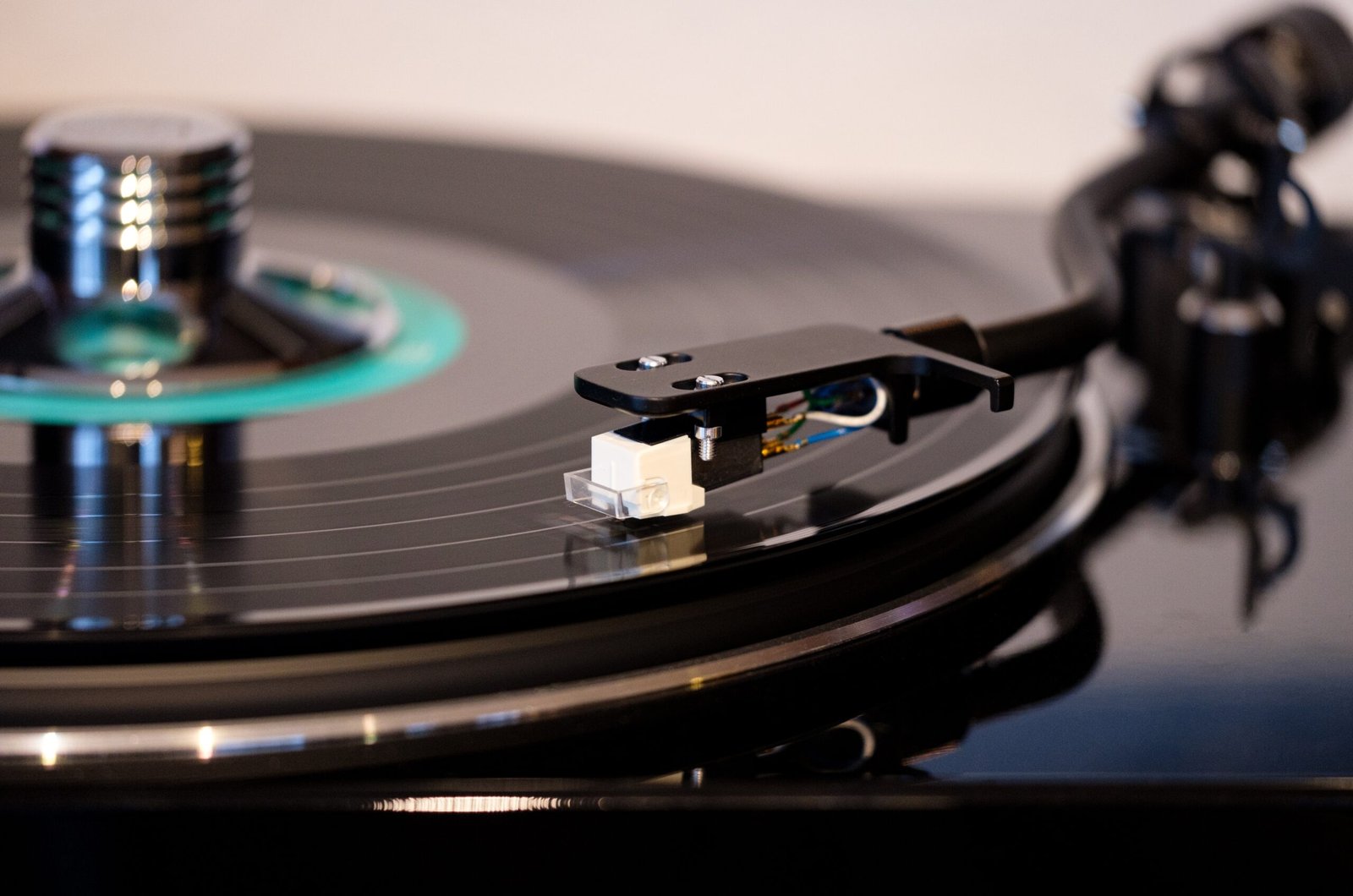
I did not choose to listen to this album. Tony put it on, as he does that occasionally. Just wanders back from wherever he's been, sets something up on the turntable without consulting me, and then disappears into the back room like he hasn't just made a unilateral decision about the soundtrack of my morning. I have opinions about this practice, and have expressed them. It has made no difference.
On this particular occasion, the record was Aja by Steely Dan.
I am aware of Steely Dan. I have always been aware of Steely Dan. Walter Becker and Donald Fagen spent the better part of a decade making technically flawless records that sounded like they had been assembled in a laboratory by people who had read extensively about human emotion without ever having experienced it firsthand. Precision without feeling, I always said. Studio musicians playing parts written by men with calculators.
That was my position, and I held it for years. I was comfortable there.
And then Tony put on Aja, and Delores Krensky did not bang on the wall.
I want you to understand the significance of that. Delores Krensky has opinions about everything that comes through our speakers. She has banged on that wall for Black Sabbath. She banged on it for Led Zeppelin, which tells you everything you need to know about Delores. She has never once, in my recollection, failed to register a complaint when the volume or the content offended her considerable sensibilities.
She did not bang on the wall for Steely Dan.
I'm not saying that's a vote in favor. I'm saying I noticed.
The title track opens the album and runs just under eight minutes, which is either self-indulgent or exactly long enough depending on who you ask. Personally, if you were to ask me, on a different day and you might get a different answer. What I will tell you is that Steve Gadd's drum solo in the back half of that song is one of the finest pieces of drumming ever committed to vinyl, and I'm saying that as someone who has a memrial set up honoring John Bonham. Whatever reservations I have about Steely Dan's clinical tendencies, they hired the right people. That much is not in dispute.
Josie is the one that got under my skin and I resent it for that. It shouldn't work. It's too clean, too constructed, the kind of song that sounds like it was designed to sound effortless rather than actually being effortless. And yet. There it is. I found myself thinking about it later that evening, which I did not appreciate. I have a policy about songs that follow me home uninvited. Josie apparently did not get the memo.
Home at Last is the album's quiet argument for the whole enterprise. If you want to understand what Becker and Fagen were actually doing beneath all that polish, listen to Home at Last. It's Odysseus coming home after twenty years at sea, filtered through jazz and late night FM radio, and it lands differently than you expect it to. Quieter. More worn down. More honest, somehow, than anything else on the record.
I didn't say any of this to Tony. He came back from his office in the back of the shop, heard the last few minutes of the album, and started talking about a customer who'd come in looking for Neil Diamond. I let him talk. The record finished, and I filed it back in the D section where it belongs.
I looked up the credits before writing this. Forty-two session musicians across seven tracks.
I still think that's excessive, but I understand it better than I did before, which is either progress or defeat. I haven't decided which.